

As an Amazon Associate, I earn from qualifying purchases
You love your dog and want to keep them safe, right? But what if a simple snack like pork rinds could actually harm or even kill your furry friend?
It sounds shocking, but it’s a real concern many pet owners don’t know about. Before you share that crunchy treat with your dog, you need to understand the risks involved. Keep reading to discover why pork rinds might be dangerous and what you can do to protect your best friend.
Your dog’s health depends on it.
Why Dogs Love Pork Rinds
Dogs often show great interest in pork rinds. The crunchy texture and strong smell attract their attention. These treats feel exciting and different from usual dog food.
Dogs have sensitive noses. They pick up smells that humans might miss. Pork rinds give off a rich, meaty scent that dogs find irresistible.
The taste is another reason dogs love pork rinds. They enjoy the salty and savory flavors. This makes pork rinds a tempting snack for many dogs.
Crunchy Texture Appeals To Dogs
Dogs like to chew. The hard, crunchy texture of pork rinds satisfies this need. Chewing helps dogs relieve stress and keep their teeth clean.
Strong Aroma Attracts Dogs
The smell of pork rinds is powerful. Dogs use their nose to explore the world. The rich pork scent grabs their attention quickly.
Salty And Savory Flavor
Pork rinds taste salty and meaty. Dogs are drawn to these flavors. They find pork rinds more exciting than plain kibble.
Easy To Share As A Treat
Pork rinds are small and easy to break into pieces. This makes sharing with dogs simple. Many owners use pork rinds as quick rewards.
Toxic Ingredients In Pork Rinds
Pork rinds may seem like a harmless snack. Dogs might enjoy their crunchy texture. Yet, some ingredients in pork rinds can harm dogs seriously. Understanding these toxic components is crucial for pet safety.
Toxic Fats
Pork rinds contain high levels of saturated fats. These fats can cause pancreatitis in dogs. Pancreatitis is a painful inflammation of the pancreas. It needs immediate veterinary care. Fatty foods can also lead to obesity and heart problems in dogs.
Excessive Salt
Salt is a common ingredient in pork rinds. High salt levels can cause sodium ion poisoning in dogs. Symptoms include vomiting, diarrhea, and seizures. Very salty snacks can disrupt a dog’s electrolyte balance. This condition may become life-threatening without treatment.
Artificial Flavors And Preservatives
Many pork rinds contain artificial flavors and preservatives. These chemicals can irritate a dog’s digestive system. Some dogs may have allergic reactions too. Long-term exposure to these additives can weaken a dog’s immune system.
Spices And Seasonings
Spices like garlic and onion powder often appear in pork rinds. Both garlic and onion are toxic to dogs. They can damage red blood cells and cause anemia. Even small amounts can be dangerous for sensitive dogs.
Choking Hazards For Dogs
Choking is a serious risk for dogs eating hard or small foods. Pork rinds are crunchy and can break into sharp pieces. These pieces may get stuck in a dog’s throat. This can block their airway and cause choking. Understanding the choking hazards helps keep dogs safe around these snacks.
What Makes Pork Rinds Dangerous For Dogs
Pork rinds are tough and crunchy. Dogs might try to swallow large chunks without chewing well. This increases the chance of pieces lodging in the throat. The texture and size of pork rinds make them risky as choking hazards.
Signs Of Choking In Dogs
Watch for coughing, gagging, or pawing at the mouth. Dogs may have trouble breathing or make unusual sounds. Sudden distress is a red flag. Immediate action is needed to help a choking dog.
Preventing Choking From Pork Rinds
Never give dogs whole pork rinds. Break snacks into very small pieces first. Supervise dogs while they eat. Offer safer chew toys or treats designed for dogs. These steps reduce choking risks significantly.
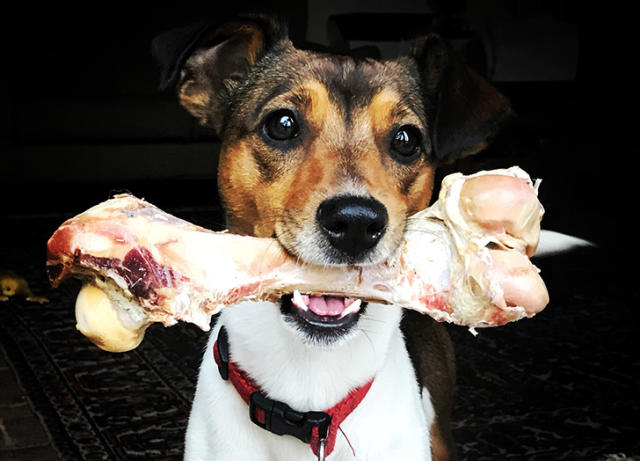
Digestive Issues From Pork Rinds
Pork rinds might seem like a harmless snack for dogs, but they can cause serious digestive problems. Dogs have sensitive stomachs that do not handle fatty and salty foods well. Eating pork rinds can upset their digestion and lead to discomfort.
The high fat and salt content in pork rinds can trigger stomach pain and vomiting. Dogs may also suffer from diarrhea after eating these crunchy snacks. Such symptoms show that their digestive system is struggling to break down the pork rinds.
Long-term eating of pork rinds can cause more serious issues. Chronic digestive problems may develop, affecting a dog’s overall health. It is best to avoid feeding pork rinds to dogs to keep their stomachs safe and healthy.
High Fat Content And Its Effects
Pork rinds contain a lot of fat, which is hard for dogs to digest. Excess fat can cause pancreatitis, a painful inflammation of the pancreas. This condition needs immediate veterinary care and can be life-threatening.
Salt Overload In Pork Rinds
Salt levels in pork rinds are very high. Too much salt can upset a dog’s balance of fluids. This leads to dehydration, increased thirst, and even kidney problems.
Potential For Blockages
Pieces of pork rinds can swell in a dog’s stomach. They may cause blockages that stop food from passing properly. Blockages need urgent treatment to avoid serious harm to the dog.
Salt And Fat Dangers
Pork rinds contain high levels of salt and fat. Both can be harmful to dogs in many ways. Dogs have a different metabolism than humans. What seems tasty to us may cause serious health problems for dogs.
Salt can lead to dehydration and salt poisoning in dogs. Fat can cause digestive upset and more severe conditions. Understanding these dangers helps protect your dog’s health.
Salt Toxicity In Dogs
Too much salt can cause salt toxicity in dogs. Symptoms include vomiting, diarrhea, and excessive thirst. In serious cases, salt toxicity can cause seizures or even death.
Dogs are more sensitive to salt than humans. Small amounts can quickly add up and harm your dog. Pork rinds are heavily salted, making them risky treats.
Effects Of High Fat Intake
High fat content in pork rinds can upset a dog’s stomach. Fat can cause vomiting and diarrhea. Long-term fat intake can lead to obesity and pancreatitis.
Pancreatitis is inflammation of the pancreas. It causes severe pain and can be life-threatening. Fat from pork rinds increases this risk significantly.
Signs Of Salt And Fat Poisoning
Watch for symptoms like vomiting, diarrhea, and weakness. Excessive thirst and urination may also appear. If your dog shows these signs, seek veterinary help immediately.
Early treatment improves recovery chances. Avoid feeding pork rinds or salty, fatty snacks to keep your dog safe.

Symptoms Of Pork Rind Poisoning
Pork rind poisoning in dogs can cause serious health problems. Dogs may show signs soon after eating pork rinds. Recognizing these symptoms early helps get prompt care. Watch your dog closely for any unusual behavior or illness.
Gastrointestinal Upset
Vomiting is common after eating pork rinds. Dogs may also have diarrhea or stomach pain. These signs show the digestive system is upset. Loss of appetite can occur alongside these symptoms.
Excessive Thirst And Urination
Pork rinds have high salt content. This can cause dogs to drink more water. Increased thirst leads to frequent urination. These signs suggest salt poisoning or dehydration.
Lethargy And Weakness
Dogs may become very tired or weak. They might not want to move or play. This can indicate their body is struggling. Lethargy often follows dehydration or poisoning.
Seizures And Tremors
Severe poisoning may cause muscle tremors. Dogs can also have seizures or shaking fits. These are emergency signs needing immediate veterinary help. Do not ignore these serious symptoms.
Difficulty Breathing
Some dogs may show trouble breathing. This can be due to swelling or toxicity. Rapid or labored breathing is a critical sign. Seek emergency care if breathing problems appear.
What To Do If Your Dog Eats Pork Rinds
Pork rinds are not safe for dogs. They can cause serious health problems. Knowing the right steps can protect your dog’s health.
Act quickly. Watch for signs of illness. Early action can prevent complications.
Watch For Symptoms
Check your dog for vomiting, diarrhea, or stomach pain. Look for signs of lethargy or weakness. These symptoms show your dog may be suffering.
Contact Your Veterinarian
Call the vet immediately. Describe what your dog ate and how much. Follow the vet’s advice carefully. They may ask you to bring your dog in for a checkup.
Do Not Induce Vomiting Without Advice
Do not try to make your dog vomit unless a vet tells you. Vomiting can sometimes cause more harm. Always get professional guidance first.
Provide Fresh Water
Give your dog clean water to drink. This helps flush out harmful substances. Avoid giving food until the vet approves.
Prevent Future Incidents
Keep pork rinds and similar snacks out of reach. Store food in secure containers. Teach family members to avoid feeding dogs unsafe foods.
Safe Treat Alternatives For Dogs
Choosing safe treats for dogs is very important. Many snacks made for humans can harm dogs. Pork rinds are one example that can be dangerous. Finding healthy and safe alternatives helps keep dogs happy and healthy.
Healthy treats support a dog’s diet and avoid health problems. Dogs enjoy crunchy, soft, or meaty treats. Treats should be easy to digest and free from harmful ingredients.
Fruits And Vegetables As Dog Treats
Many fruits and vegetables are safe for dogs. Carrots, apple slices, and green beans make great snacks. These treats are low in calories and full of vitamins. Avoid grapes, onions, and anything toxic to dogs.
Commercial Dog Treats
Choose treats made specifically for dogs. These products follow safety standards. Look for treats with simple, natural ingredients. Avoid treats with artificial colors or flavors.
Homemade Treats For Dogs
Homemade treats allow control over ingredients. Use dog-safe items like peanut butter, pumpkin, and oats. Baking treats at home can be fun and safe. Always check recipes from trusted sources.

Frequently Asked Questions
Can Pork Rinds Cause Poisoning In Dogs?
Pork rinds can upset a dog’s stomach and cause health problems but are not usually poisonous.
Why Are Pork Rinds Bad For Dogs?
They contain high fat and salt, which can harm dogs and lead to serious health issues.
What Symptoms Appear If A Dog Eats Pork Rinds?
Dogs may vomit, have diarrhea, or show signs of pain after eating pork rinds.
Can A Small Amount Of Pork Rinds Kill A Dog?
Small amounts rarely kill dogs but still risk pancreatitis or other serious conditions.
What Should I Do If My Dog Ate Pork Rinds?
Watch for symptoms and contact a vet immediately if your dog acts sick or unwell.
Conclusion
Pork rinds can be harmful to dogs. They may cause choking or upset stomachs. Dogs digest pork rinds poorly and risk pancreatitis. Always keep pork rinds out of your dog’s reach. Choose safe, dog-friendly treats instead. Protect your pet’s health by staying informed.
Your dog depends on you for safe food choices. Stay cautious and avoid unnecessary risks. Safe feeding keeps your dog happy and healthy.
As an Amazon Associate, I earn from qualifying purchases