

As an Amazon Associate, I earn from qualifying purchases
Facing the heartbreaking decision to euthanize your dog at home is never easy. You want to ensure your furry friend passes peacefully and with dignity, without unnecessary pain or distress.
You might have heard about Klonopin (clonazepam) and wonder if it’s a safe option to help your dog sleep through their final moments. Before you take any steps, it’s crucial to understand what Klonopin can—and cannot—do, and why professional guidance matters.
You’ll learn the facts about euthanizing a dog at home, the role of Klonopin, and humane options to make this difficult time as gentle as possible for both you and your beloved pet. Keep reading to ensure your dog’s comfort and safety during their final moments.
Klonopin And Dog Euthanasia
Klonopin and dog euthanasia is a topic that raises many questions. Klonopin, known as clonazepam, is a medication mainly used for anxiety and seizures in humans and sometimes dogs. Some pet owners wonder if Klonopin can be used to euthanize a dog at home. Understanding what Klonopin does and its risks is very important before considering any options.
What Klonopin Does In Dogs
Klonopin works as a sedative and anticonvulsant. It slows down brain activity to reduce anxiety and seizures. The drug can calm a dog but does not stop the heart or breathing. It may make a dog sleepy or relaxed but will not cause a peaceful death. Veterinarians use it carefully and only for specific health issues.
Why Klonopin Is Not A Euthanasia Drug
Klonopin does not cause euthanasia. It only sedates a dog without ending life painlessly. Euthanasia drugs work by quickly stopping the heart or brain functions. Klonopin cannot do this. Using Klonopin to try euthanasia can lead to suffering and confusion for the dog. Only a vet can provide the right drugs for humane euthanasia.
Risks Of Using Klonopin For Euthanasia
Using Klonopin without veterinary guidance can harm your dog. It may cause breathing problems or prolonged distress. The dog might experience confusion or panic instead of peace. Incorrect dosage can lead to serious side effects or delayed death. This method is unsafe and not recommended by professionals.
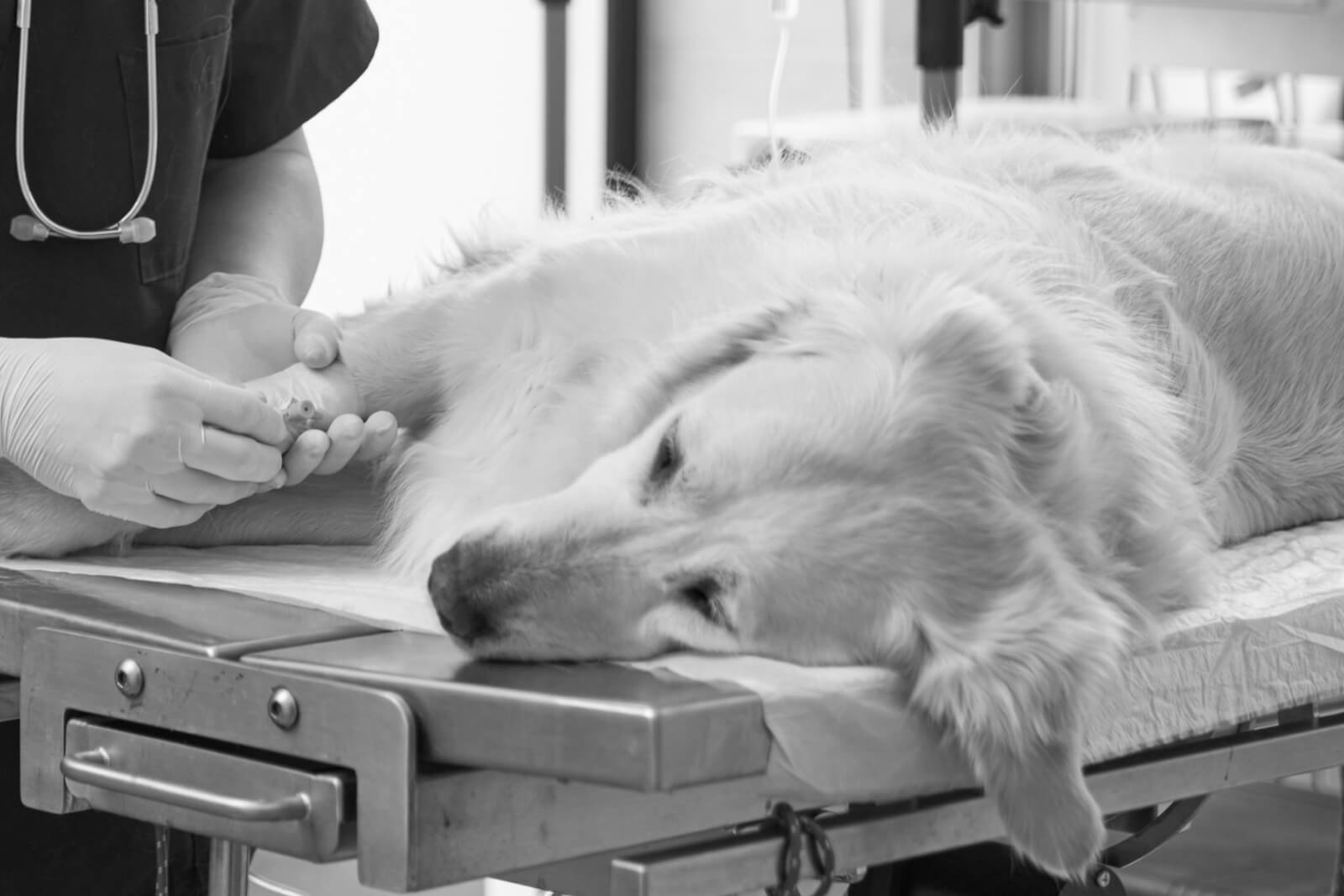
Safe Euthanasia Methods
Ensuring your dog’s comfort and dignity during euthanasia is crucial. Safe euthanasia methods prioritize a painless and peaceful passing. Understanding available options helps pet owners make informed choices.
Professional help is often the safest path. It reduces stress for both the dog and owner. Below are key methods to consider.
Veterinary In-home Euthanasia Services
Many veterinarians offer in-home euthanasia services. They bring necessary medications and equipment. This approach allows your dog to stay in a familiar environment. It reduces anxiety and fear for your pet. The vet administers a painless injection that gently ends your dog’s life. This method is humane and controlled by professionals.
Emergency Clinic Options
Emergency veterinary clinics provide euthanasia around the clock. If immediate action is needed, this is a safe option. The clinic staff are trained to handle the procedure with care. They ensure your dog does not suffer. Clinics use approved medications for a quick and peaceful death. Visiting a clinic might be stressful, but it guarantees professional care.
Medications Approved For Euthanasia
Only specific medications are safe and approved for euthanasia. Drugs like pentobarbital are the standard choice. They act quickly to stop the heart painlessly. Medications such as Klonopin (clonazepam) are not approved for euthanasia. Using unapproved drugs can cause pain and distress. Always rely on veterinary guidance for medication use. Proper drugs ensure a humane and peaceful passing for your dog.
Preparing For Home Euthanasia
Preparing for home euthanasia is a sensitive and important step. It involves both emotional and practical planning. Creating the right setting helps your dog stay calm and peaceful. Knowing what to expect makes the process less stressful for everyone.
Emotional And Practical Considerations
Accept your feelings of sadness and grief. It is normal to feel overwhelmed. Talk to family or friends for support. Keep your dog’s comfort as the top priority. Prepare all necessary items like blankets and water. Consult your veterinarian about the process and medications. Understand the legal and ethical aspects of euthanasia at home.
Creating A Comfortable Environment
Choose a quiet and familiar room for your dog. Remove loud noises and distractions. Place soft bedding or a favorite blanket on the floor. Keep lighting soft and natural. Have water and treats nearby if your dog wants them. Ensure room temperature is warm and cozy. Sit or lie close to your dog for comfort.
What To Expect During The Process
The process usually starts with calming your dog. Medications may be given to relax them gently. Klonopin is sometimes used but not recommended alone for euthanasia. The veterinarian will administer the final injection carefully. Your dog will become unconscious and then pass peacefully. You may notice slow breathing and a relaxed body. It is normal to feel strong emotions during this time.
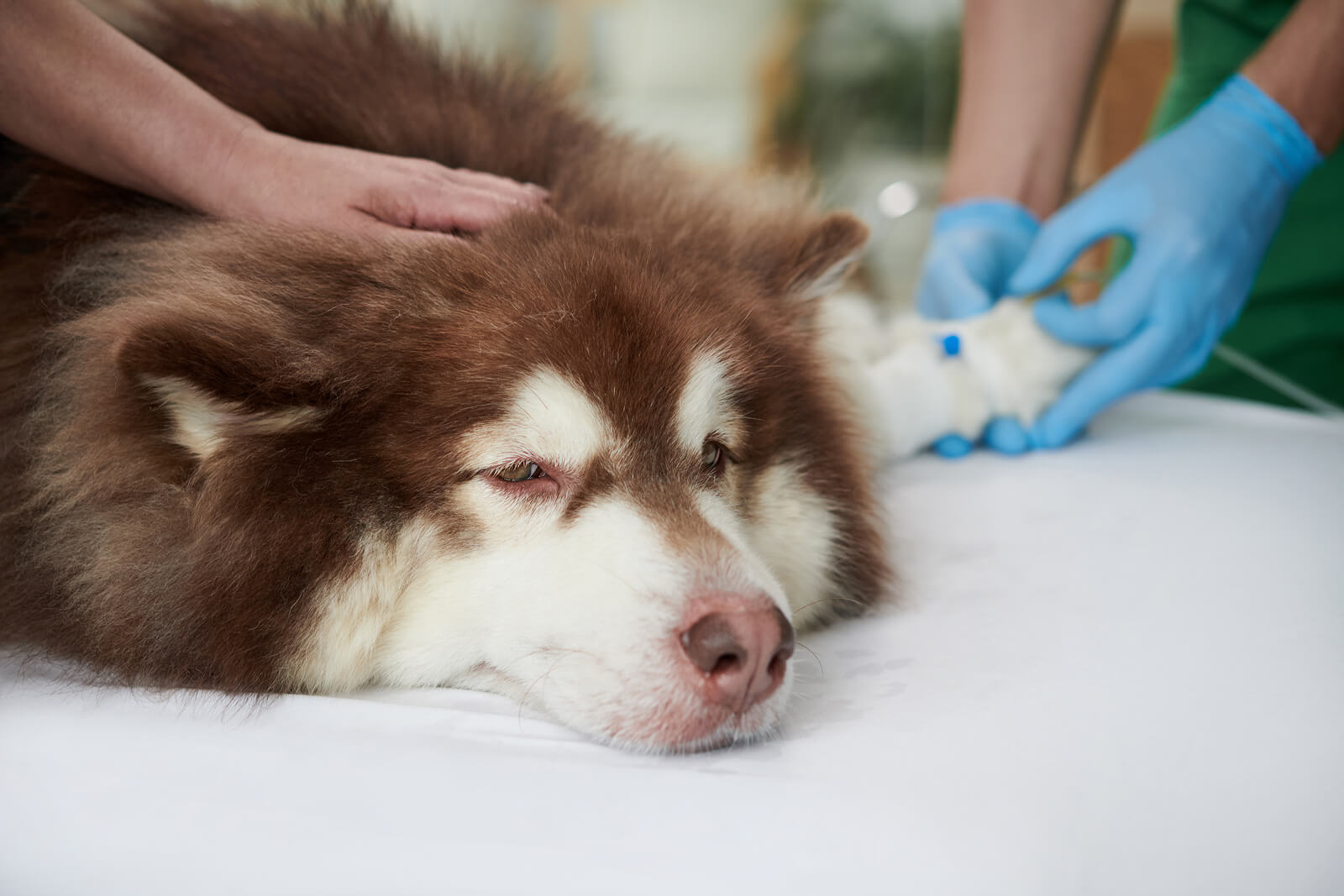
Alternative Comfort Measures
Providing comfort to a dog facing the end of life is vital. Alternative comfort measures help ease anxiety and pain gently. These methods support your dog’s dignity and peace at home. Using the right medications and managing symptoms carefully can improve their quality of life during this difficult time.
Medications For Anxiety And Pain Relief
Medications can reduce your dog’s stress and physical pain. Common drugs include gabapentin, clonidine, and trazodone. They act on the nervous system to calm nerves and lessen discomfort. Always use medications under a vet’s guidance to ensure safety and proper dosing.
Using Gabapentin, Clonidine, And Trazodone
Gabapentin helps relieve nerve pain and calm anxiety. Clonidine lowers blood pressure and reduces stress levels. Trazodone is often used to ease anxiety and promote relaxation. Each drug has its specific uses and side effects. Consult your veterinarian before administering these medicines.
Managing Symptoms Before Euthanasia
Keep your dog comfortable by monitoring symptoms closely. Offer soft bedding and a quiet space free from noise. Provide gentle petting and calm voices to soothe them. Adjust medications as needed to control pain and anxiety. Watch for signs of distress and contact your vet if needed.
Legal And Ethical Aspects
Euthanizing a dog at home with Klonopin raises serious legal and ethical questions. Understanding these aspects is crucial before considering any action. Laws vary by location and may restrict the use of medications for euthanasia outside professional settings.
Ethical concerns focus on the dog’s welfare and the method’s humaneness. Pet owners must ensure the process causes no pain or distress. Support from a veterinarian helps maintain ethical standards and legality.
Legal Restrictions On Home Euthanasia
Most regions forbid euthanasia without a licensed veterinarian. Klonopin is not approved for animal euthanasia. Using it at home can violate drug and animal welfare laws. Legal penalties may include fines or prosecution. Always check local laws before any attempt.
Ethical Concerns And Animal Welfare
Animal welfare demands a painless, peaceful passing. Klonopin may cause distress or prolonged suffering in dogs. Ethical euthanasia requires professional knowledge and proper drugs. Untrained attempts risk causing fear and pain. The dog’s comfort must be the top priority.
Finding Compassionate Veterinary Support
Veterinarians provide safe, humane euthanasia services. Many offer at-home visits for comfort and privacy. They ensure the correct drugs and dosages are used. Veterinary support respects both legal and ethical responsibilities. Seek professional help to honor your pet’s dignity.
Post-euthanasia Care
After euthanizing your dog at home with Klonopin, caring for your pet’s remains and emotional well-being is important. The moments following euthanasia can be difficult. Proper post-euthanasia care helps you honor your dog’s memory and find comfort during grief.
Handling Your Dog’s Remains
Decide how you want to handle your dog’s remains. Options include burial or cremation. If you choose burial, check local laws about pet graves. Use a sturdy container to transport your dog respectfully. Cremation services may offer individual or communal options. Contact a pet crematorium for details. Keep your dog’s remains in a cool, dry place until arrangements are made.
Grieving And Support Resources
Grieving is natural and personal. Allow yourself to feel sadness and loss. Talk to family or friends who understand your pain. Join pet loss support groups online or locally. Professional counselors can help if grief feels overwhelming. Remember, healing takes time. Small daily routines can provide comfort and stability.
Memorializing Your Pet
Create lasting memories of your dog. Make a photo album or scrapbook with favorite pictures. Plant a tree or flowers in your dog’s honor. Light a candle or place a special item in a memory box. Write a letter to your pet expressing your feelings. These acts keep your dog’s spirit alive in your heart.
Frequently Asked Questions
Will Klonopin Put A Dog To Sleep?
Klonopin (clonazepam) may cause drowsiness or weakness in dogs but will not humanely euthanize them. Only a veterinarian can perform safe euthanasia.
How Do I Have My Dog Put To Sleep At Home?
Arrange for a veterinarian to perform in-home euthanasia. Do not attempt to use medications like Klonopin yourself. Emergency clinics offer urgent services.
How Much Klonopin Can A Dog Have?
Only a veterinarian can safely determine the correct Klonopin dosage for a dog. Never give Klonopin without veterinary guidance.
What Is The Cheapest Way To Put A Dog To Sleep?
The cheapest way to put a dog to sleep is through local animal shelters or humane societies offering low-cost or free euthanasia services. These organizations may also provide affordable cremation or burial options. Always use a licensed veterinarian for a humane and painless procedure.
Conclusion
Euthanizing a dog at home with Klonopin is not safe or humane. Only veterinarians can perform euthanasia properly and painlessly. Using Klonopin can cause distress and may harm your dog. Always seek professional help to ensure your pet’s comfort and dignity.
Remember, your dog’s well-being matters most during this difficult time. Reach out to a trusted vet for guidance and support. Taking the right steps shows love and care for your loyal companion.
As an Amazon Associate, I earn from qualifying purchases