

As an Amazon Associate, I earn from qualifying purchases
Training a small dog can feel tricky, but it doesn’t have to be. You want your little companion to listen, behave, and be happy—and you can make that happen.
Imagine having a well-trained pup who follows your commands without stress. Sounds great, right? In this guide, you’ll discover simple, proven steps to train your small dog quickly and easily. Stick with me, and you’ll unlock the secrets to building a strong bond with your furry friend while shaping their behavior for the better.
Ready to get started? Let’s dive in!
Choosing The Right Training Method
Choosing the right training method for a small dog is key to success. Small dogs have unique needs and personalities. Training should be gentle and consistent. It helps build trust and good behavior quickly. Picking a method that fits your dog’s style makes learning easier.
Positive Reinforcement Techniques
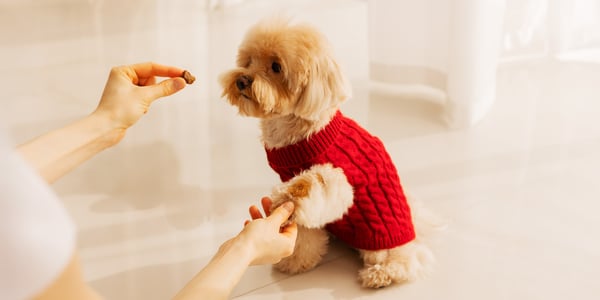
Positive reinforcement means rewarding good behavior. Use treats, praise, or play to encourage your dog. This method creates happy learning moments. Dogs repeat actions that bring rewards. It is gentle and builds a strong bond.
Start with small rewards and clear commands. Keep training sessions short and fun. This keeps your dog interested. Avoid punishments that scare or confuse your dog. Positive reinforcement leads to better results.
Avoiding Common Training Mistakes
Many owners make simple mistakes during training. Inconsistency is a big one. Always use the same commands and rules. Changing rules confuses your dog.
Another mistake is training for too long. Dogs, especially small ones, have short attention spans. Keep sessions brief but frequent. Patience is important. Avoid yelling or harsh punishments. These damage trust and slow progress.
Setting Up A Training Schedule
Setting up a training schedule is essential for teaching a small dog new skills. A clear routine helps your dog understand what to expect. It builds good habits and makes training easier. Consistency in timing and activities helps your dog learn faster. It also reduces confusion and frustration for both of you.
Short And Frequent Sessions
Small dogs have short attention spans. Keep training sessions brief, about 5 to 10 minutes each. Repeat these sessions several times a day. Short bursts of training prevent your dog from feeling tired or bored. Frequent practice helps your dog remember commands better. Small, regular sessions fit well into daily life.
Consistency And Patience
Stick to the same training schedule every day. Consistent times and routines create a safe learning environment. Use the same words and gestures for commands. Patience is key. Some dogs learn slowly. Celebrate small wins and stay calm. Avoid rushing or getting frustrated. Steady progress leads to lasting results.
Basic Commands To Teach First
Training a small dog starts with simple commands. These commands help your dog understand what you want. Basic commands build good habits and keep your dog safe. They also make daily life easier for both of you. Focus on one command at a time. Keep training sessions short and fun. Use treats and praise as rewards. Patience is key to success.
Sit And Stay
Teaching your dog to sit is the first step. It helps control excitement and calms your dog. To teach sit, hold a treat above your dog’s head. Move it slowly back. When your dog sits, say “sit” and give the treat. Next, teach stay by asking your dog to sit. Show your hand like a stop sign. Say “stay” and step back slowly. Return and reward if your dog stays put.
Come And Leave It
Come is an important command for safety. Call your dog’s name and say “come” with a happy voice. Reward your dog when it comes to you. Practice in safe, quiet places first. Leave it helps stop your dog from picking bad things. Hold a treat in your hand and say “leave it.” Wait until your dog stops trying to get it. Then give a different treat as a reward. Repeat often for better results.
Heel And Down
Heel means your dog walks close to your side. Start walking and say “heel.” Use a leash and treat to guide your dog. Reward your dog for staying near you. Down is for calming your dog on the floor. Hold a treat near the ground and say “down.” When your dog lies down, give the treat and praise. Practice these commands in short sessions daily.
House Training Tips
House training a small dog is an important step for a happy home. It helps your dog learn where to go and keeps your space clean. Patience and consistency are key to success.
Start training early and keep sessions short. Praise your dog for good behavior. Use gentle commands and clear signals.
Crate Training Benefits
Crate training gives your dog a safe, cozy space. Dogs naturally avoid soiling their sleeping area. The crate helps control accidents and teaches bladder control. It also reduces anxiety by providing a quiet zone.
Use the crate only for rest and potty breaks. Never for punishment. Make it inviting with soft bedding and toys. Gradually increase crate time as your dog adjusts.
Managing Accidents
Accidents are normal in house training. Clean up messes quickly with enzyme cleaners. This removes odors and stops repeat accidents. Avoid scolding your dog. It can cause fear and confusion.
Watch your dog for signs they need to go. Take them outside often, especially after eating, drinking, or waking up. Reward successes with treats and praise.
Socializing Your Small Dog
Socializing a small dog is a key part of training. It helps your dog feel safe and happy around others. Good social skills prevent fear and aggression. Start socialization early to build your dog’s confidence.
Introducing New People And Pets
Introduce your dog to new people slowly. Let your dog sniff and observe from a distance. Use calm voices and gentle movements. Reward your dog with treats for calm behavior. Meeting other pets should be done on neutral ground. Keep all interactions short and positive. Watch your dog’s body language for signs of stress. Stop the meeting if your dog seems scared or aggressive. Gradually increase time spent with new friends.
Handling Fear And Anxiety
Fear and anxiety can block learning. Stay patient and calm to help your dog relax. Use treats and praise to encourage brave behavior. Avoid forcing your dog into scary situations. Create safe spaces where your dog can retreat. Practice short social sessions often to build trust. Give your dog time to adjust at its own pace. Consistent, gentle exposure helps reduce fear over time.
Addressing Behavioral Issues
Small dogs may have big behavior problems. Training helps to fix these issues early. Consistency and patience are key. Addressing problems like barking and chewing keeps your dog happy. It also keeps your home peaceful. Understanding why these behaviors happen helps you guide your dog better.
Barking Control
Barking is normal for small dogs. It is their way to communicate. Too much barking can annoy people. Teach your dog a “quiet” command. Praise them when they stop barking. Ignore barking caused by attention-seeking. Use toys to distract your dog from triggers. Regular walks reduce anxiety and excess barking.
Chewing And Digging
Chewing and digging are natural for dogs. Small dogs may chew on furniture or shoes. Provide safe chew toys to satisfy this need. Redirect your dog when it chews on wrong items. Digging can mean boredom or stress. Give your dog a special digging spot outside. Exercise helps to reduce destructive behaviors.
Using Treats And Toys Effectively
Using treats and toys is a powerful way to train a small dog. These rewards keep your dog interested and motivated. They help your dog learn new commands and good behavior faster. Using the right treats and toys can create a strong bond between you and your dog.
Rewards should be special and exciting for your dog. This makes training sessions enjoyable and effective. It also helps your dog focus better during training.
Choosing The Right Rewards
Select treats that your dog loves and finds tasty. Small, soft treats work best for small dogs. Avoid treats that are too big or hard to chew.
Pick toys that match your dog’s size and play style. Toys should be safe and easy to carry. Use toys that your dog gets excited about.
Rotate different treats and toys to keep your dog interested. This stops your dog from getting bored with the same reward.
Timing And Moderation
Give treats or toys right after your dog does the right action. Quick rewards help your dog connect good behavior with the reward.
Don’t give too many treats to avoid overfeeding. Use small pieces or break treats into smaller bits.
Use toys as a reward during playtime or after training. This keeps training fun and balances treat giving.
Maintaining Training Progress
Maintaining training progress is important for a small dog’s success. Training is not a one-time event. It needs regular attention to keep the dog’s skills sharp. Consistency helps the dog remember commands and behave well. Training also builds a strong bond between you and your dog. Staying patient and positive encourages good habits to last longer.
Regular Practice
Practice makes training stick. Short, daily sessions work best for small dogs. Repeating commands helps the dog understand what you want. Use treats and praise to reward good behavior. Keep sessions fun and simple to avoid stress. Consistent practice stops old bad habits from coming back. Training in different places also helps the dog learn better.
Adapting To Growth And Changes
Small dogs grow and change quickly. Their needs and energy levels shift with age. Adjust training methods as your dog matures. Puppies need gentle, easy commands. Adult dogs can handle more complex training. Watch your dog’s behavior to see what works. Change rewards and challenges to keep training fresh. Be patient with setbacks during growth phases.
Frequently Asked Questions
How Long Does It Take To Train A Small Dog?
Training a small dog typically takes 4 to 8 weeks with consistent daily sessions. Small dogs learn quickly but need patience and repetition. Short, frequent training sessions work best. Consistency and positive reinforcement speed up the training process effectively.
What Are The Best Training Methods For Small Dogs?
Positive reinforcement is the best training method for small dogs. Use treats, praise, and toys to reward good behavior. Avoid harsh punishments as small dogs are sensitive. Gentle, consistent, and patient training builds trust and encourages learning.
How Often Should I Train My Small Dog Daily?
Train your small dog 10 to 15 minutes, 2 to 3 times daily. Short sessions keep your dog focused and prevent boredom. Frequent training helps reinforce commands and builds good habits quickly. Consistency is key for successful training.
Can Small Dogs Learn Basic Commands Easily?
Yes, small dogs can easily learn basic commands like sit, stay, and come. They respond well to positive reinforcement and clear cues. Training should be fun and engaging to maintain their interest. Early training ensures better behavior and obedience.
Conclusion
Training a small dog takes patience and consistency. Start with simple commands and praise often. Short, regular sessions help keep your dog focused. Use treats and play as rewards to encourage good behavior. Stay calm and gentle, building trust every day.
Remember, small dogs learn best with kindness and routine. Enjoy the process and watch your dog grow smarter. Training builds a strong bond between you and your pet. Keep practicing, and success will follow naturally.
As an Amazon Associate, I earn from qualifying purchases